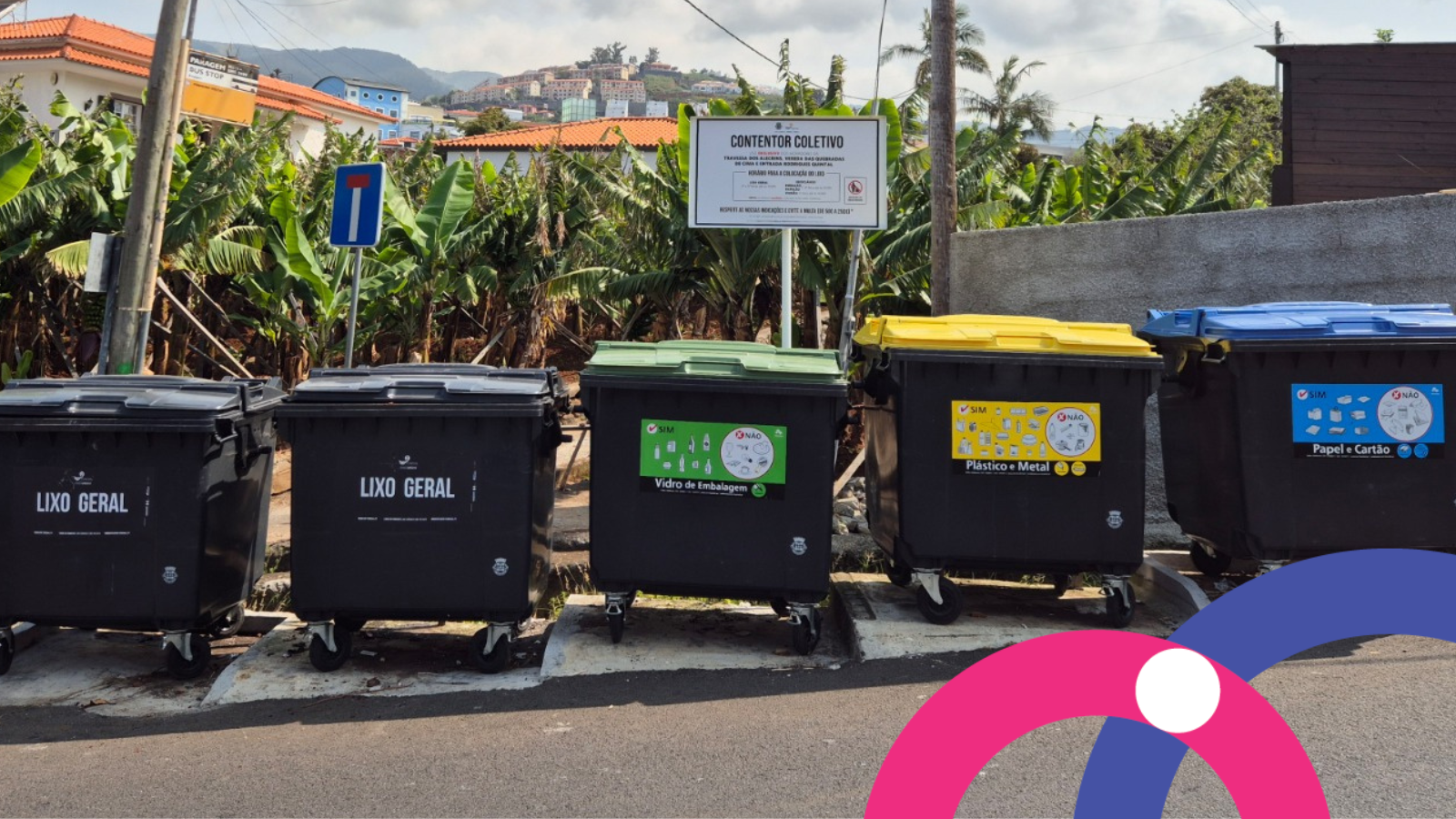
Funchal, the capital of the Madeira archipelago, is taking ambitious steps toward a more circular future. Having committed to the Zero Waste Cities Certification programme—mentored by ZERO and developed by Mission Zero Academy (MiZA)—the city is formally dedicating itself to systemic resource strategies that move beyond mere waste management. The target? A bold 10% reduction in undifferentiated municipal waste and a jump to 50% overall selective collection.
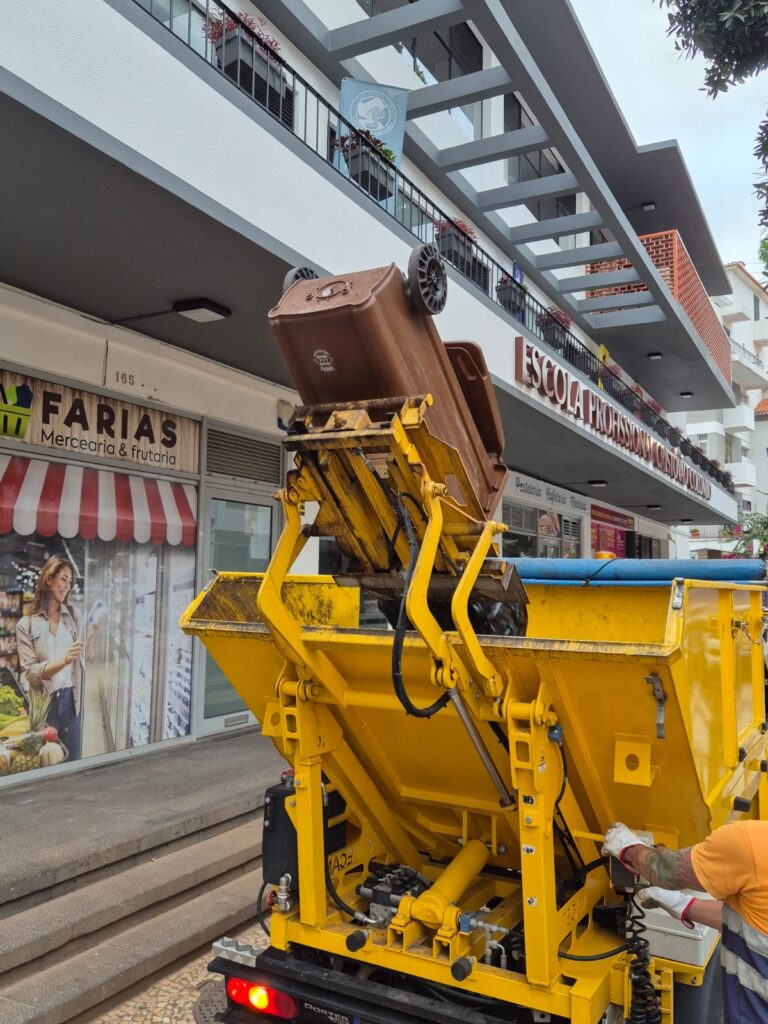
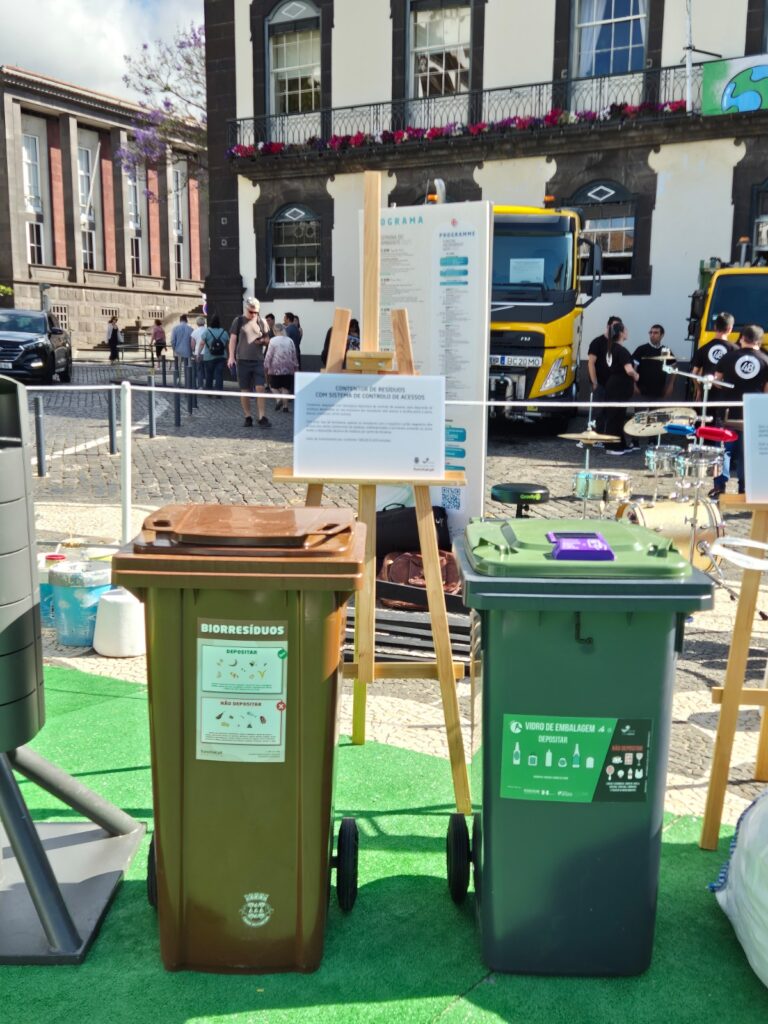

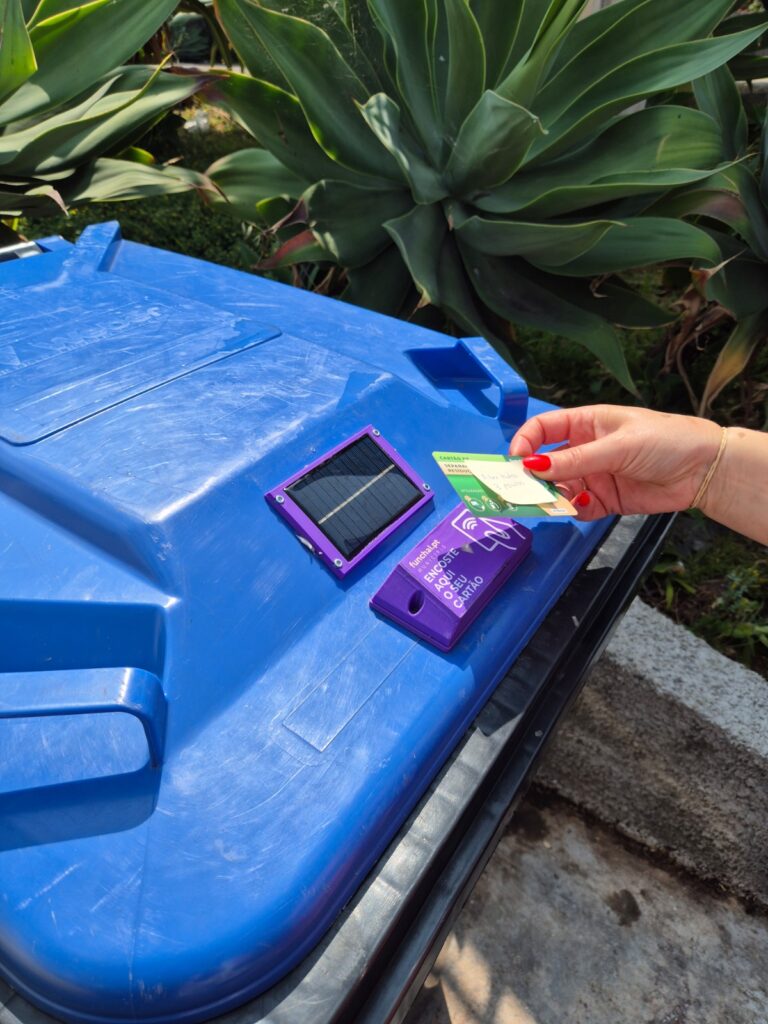
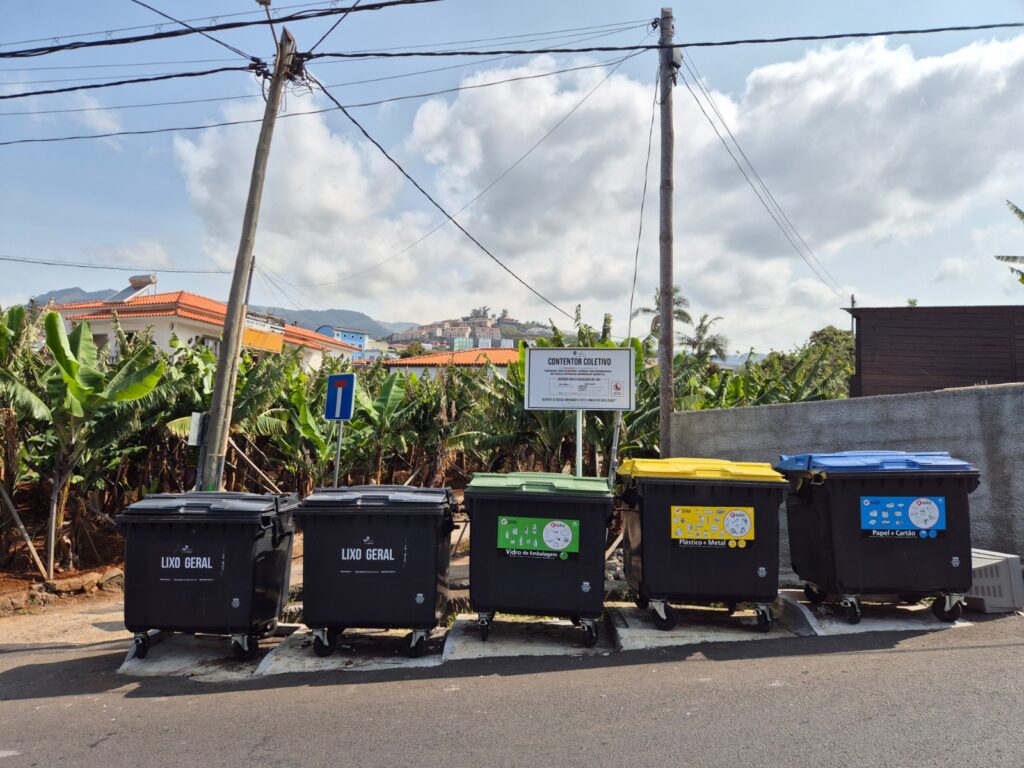
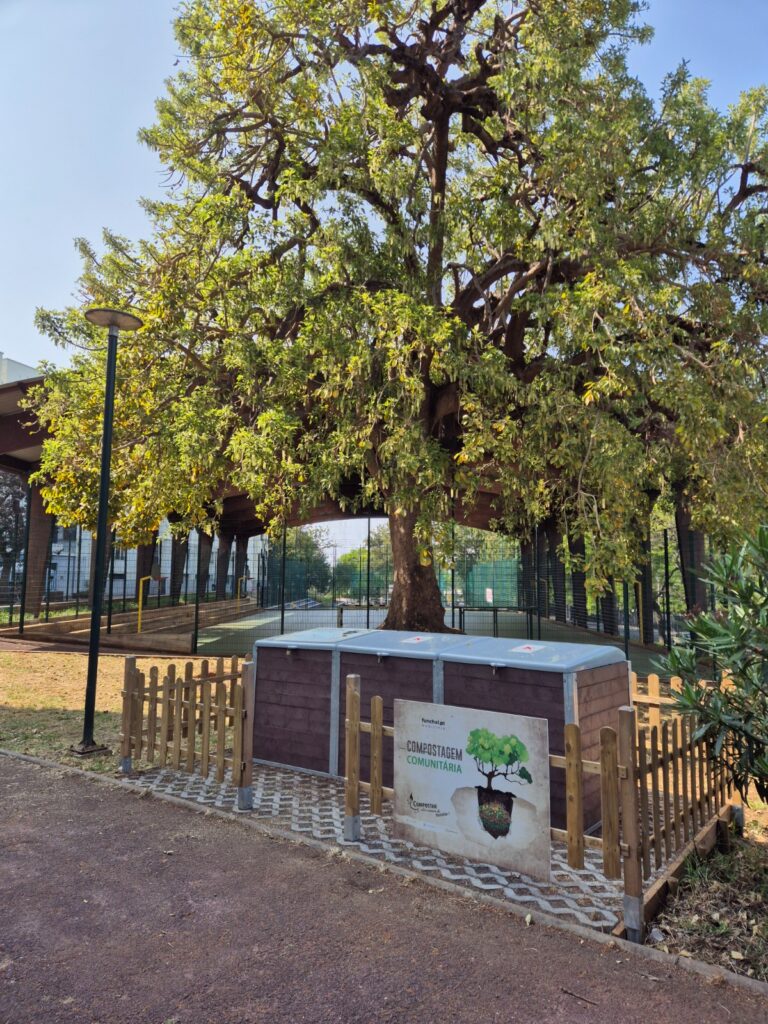
However, the path to zero waste isn’t paved with recycling bins alone; it starts with prevention at the source. That’s why Funchal’s engagement in the EU-funded LIFE Food Connect project is a crucial piece of its zero-waste strategy. This initiative, which aims to scale up a digital platform for food donation, provides a practical testing ground for tackling one of the most visible and unnecessary forms of waste: food surplus and loss.
Zero Waste Starts with Food Waste Prevention
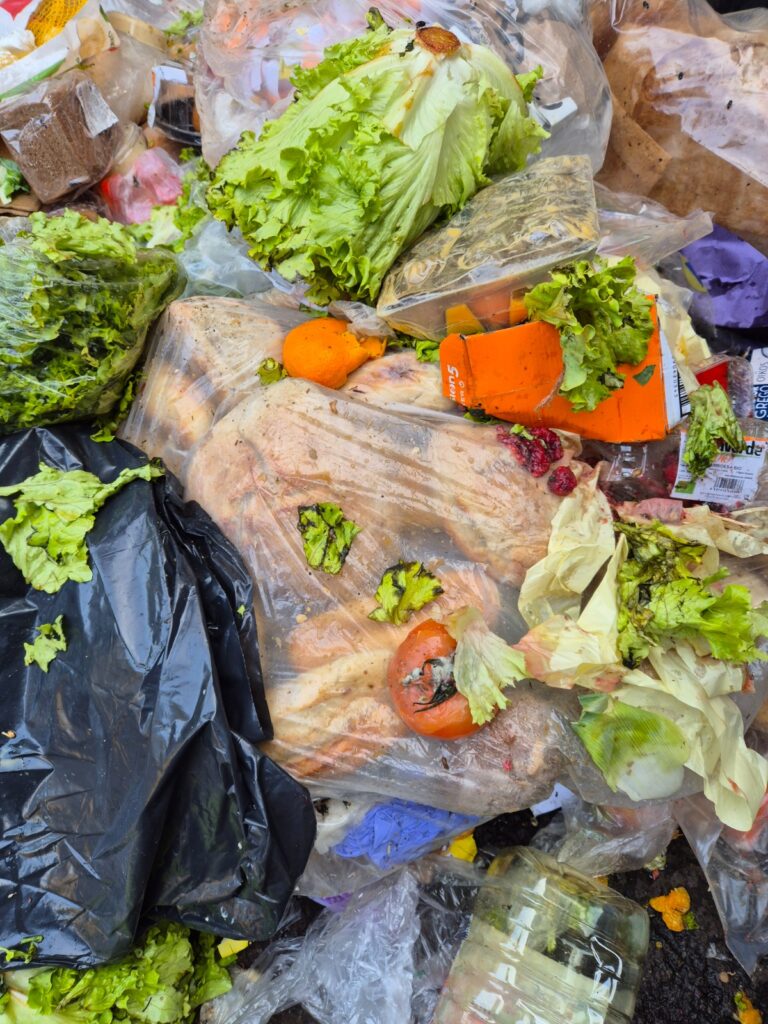
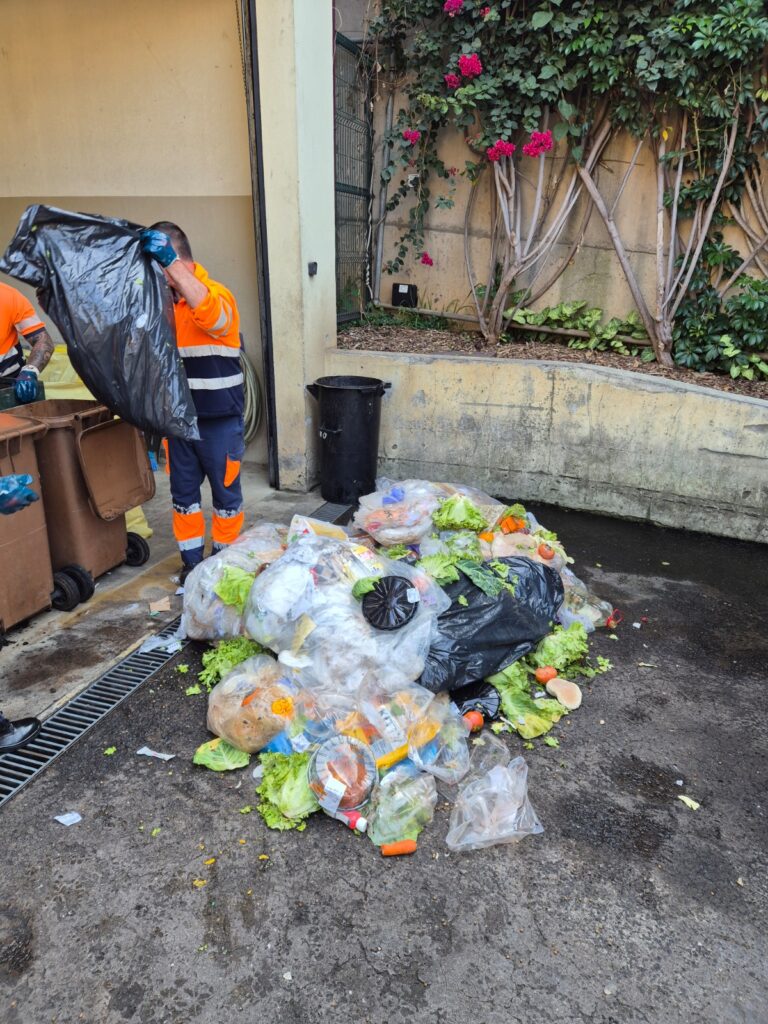
Food waste is a significant hurdle for any city aspiring to Zero Waste. It’s not just a moral issue; when food ends up in the bin, it represents wasted resources, money, and significant greenhouse gas emissions when landfilled. This challenge is amplified for an island like Madeira, with specific logistical and infrastructural constraints.
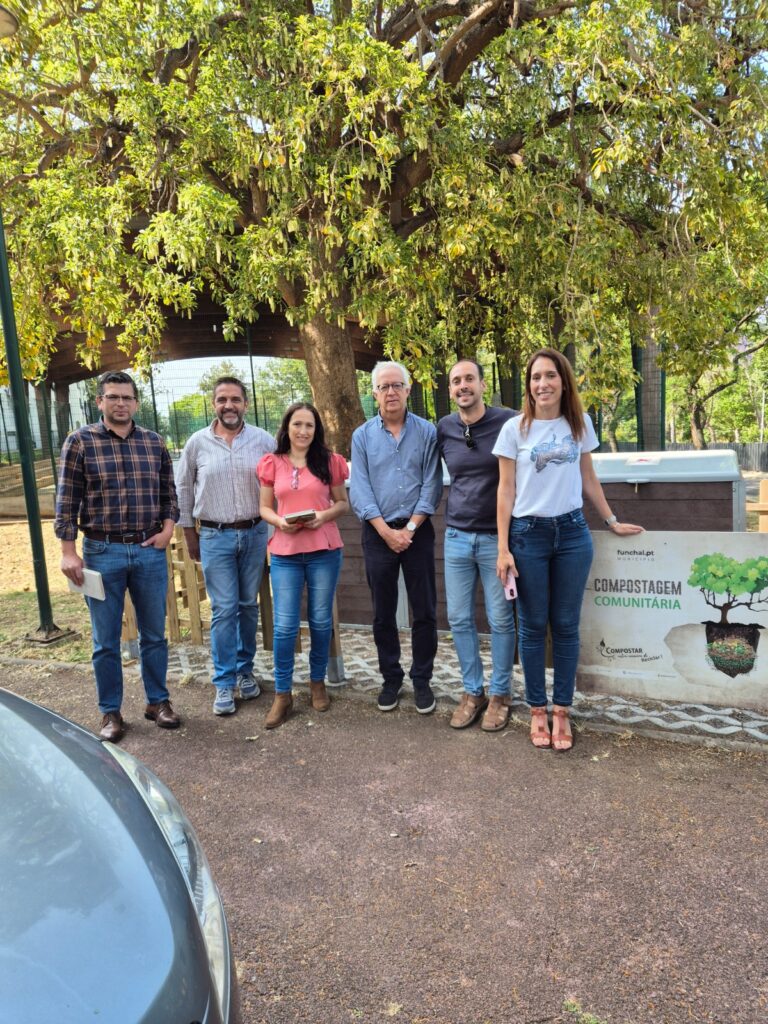
This is precisely where the LIFE Food Connect focus group, held in Madeira on June 3rd, provided invaluable on-the-ground intelligence. Bringing together local farmers, retailers, NGOs, and municipal authorities, the session wasn’t about top-down solutions. Instead, it was an essential dialogue to diagnose the local food system and co-design interventions that actually work within an island context.
Key Roadblocks and Zero Waste Opportunities
The insights gathered from local stakeholders in Madeira are a direct map for Funchal’s upcoming Local Zero Waste Plan. They highlight systemic challenges that need policy-level solutions, perfectly aligning with the Zero Waste framework’s focus on systemic change:
- Logistics and Cold-Chain Complexity: As an island with challenging terrain, redistributing perishable surplus is complex. MiZA’s certification framework emphasises ‘reuse and redistribution’ mechanisms. For Funchal, this means developing resilient, climate-controlled, and coordinated transport systems specifically for donated food to ensure it reaches those in need—not the landfill—on time.
- Clarity on Regulation and Liability: A key barrier for food businesses is the fear of legal or reputational risk when donating. A core principle of Zero Waste is creating an enabling environment. Funchal’s strategy must include simplified regulatory clarity and institutional backing to offer incentives and liability protection, transforming potential donors into confident participants in the redistribution network.
- Coordination and Data Sharing: Successful prevention relies on knowing where and who needs the surplus. Stakeholders emphasised the need for trust, clear protocols, and shared data (e.g., forecasting surplus). This echoes the Zero Waste requirement for robust data-driven policies and the promotion of collaborative circular resource loops between different sectors (businesses, civil society, and the municipality).
A Cohesive Path Forward for Funchal
By actively engaging in the LIFE Food Connect project, Funchal isn’t just supporting a research initiative; it’s building the practical foundation for its Zero Waste future. The local solutions developed here—from tailored logistics to clear incentive schemes—will feed directly into the city’s formal certification process.
Zero Waste isn’t a single action, but a systemic, circular shift. Funchal’s commitment, bolstered by the practical, prevention-focused work of LIFE Food Connect, shows a clear intent to move beyond conventional waste management and truly embed resource efficiency and food waste prevention at the heart of its urban policy.
The journey has begun, and the first steps are about ensuring that good food, even surplus food, is valued as a resource, not discarded as a burden.
Want to learn more about how cities are tackling prevention and resource management? Explore the Mission Zero Academy’s resources on Zero Waste Cities’ best practices.