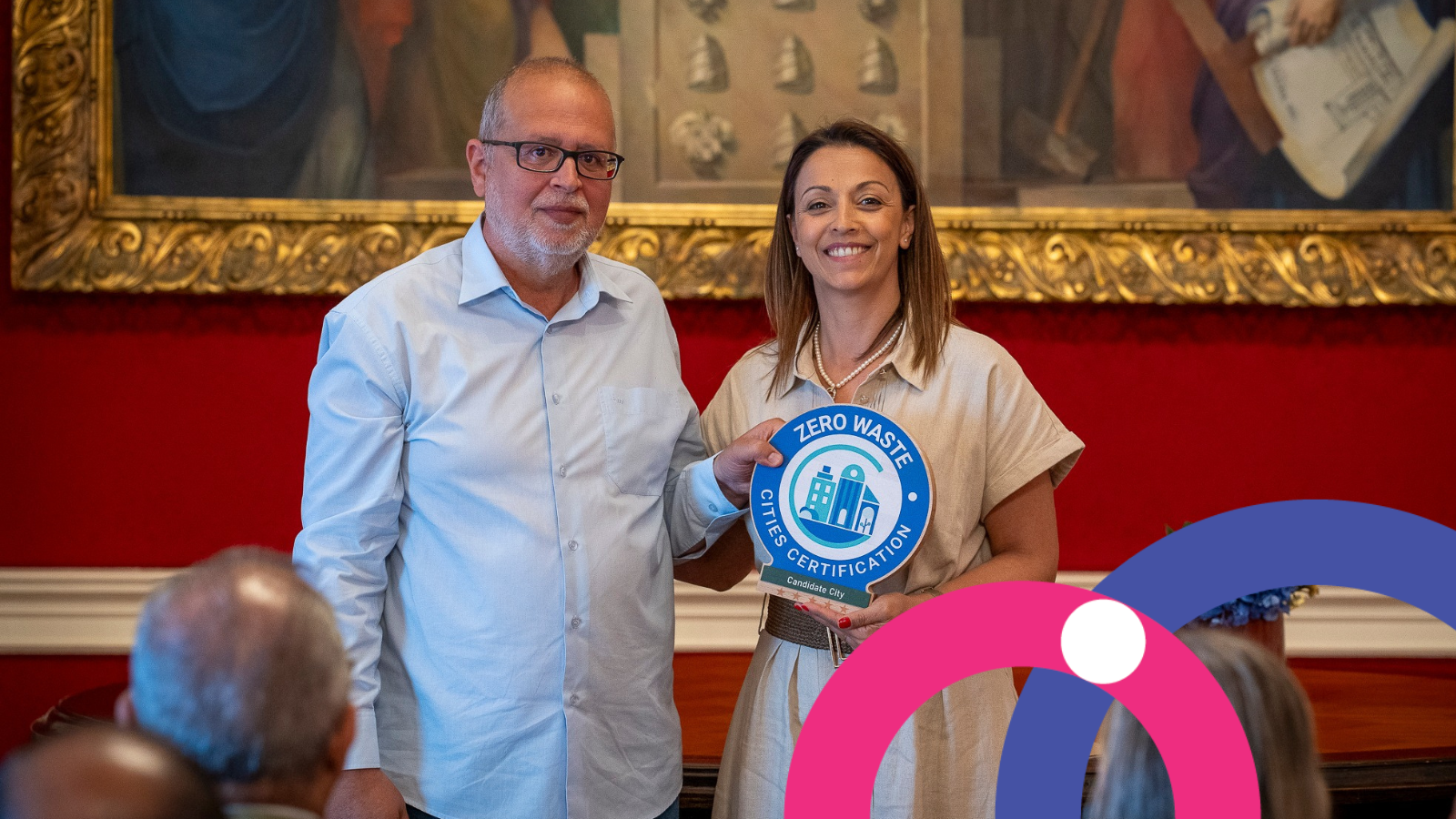
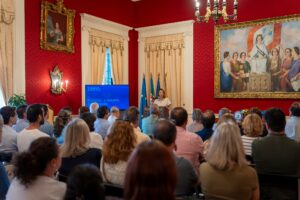
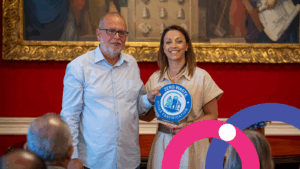
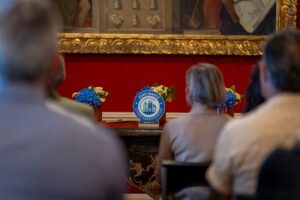
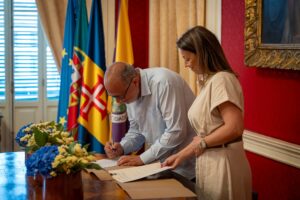
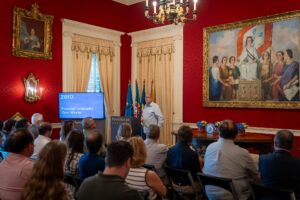
Funchal, 22 July 2025—The Portuguese municipality of Funchal, capital of Madeira region, has officially committed to the Zero Waste Cities Certification, reinforcing its dedication to sustainable waste management and circular economy principles. As an island municipality facing unique environmental challenges, Funchal is pioneering a new model of sustainable development that balances economic growth with environmental stewardship. Funchal is the latest Portuguese city to take structured, ambitious steps towards reducing waste generation, promoting recycling, and enhancing citizen engagement in environmental efforts.
The Environment Councillor, Ms Nádia Coelho, stated, “This is an ambitious yet necessary step on the path we want to take towards a more sustainable, cleaner, more aware, and environmentally friendly city. “Zero Waste Funchal” is not just a slogan, it’s a commitment.”
Island Context: A Strategic Position for Sustainable Tourism
Funchal’s commitment to zero waste comes at a crucial time for the island’s tourism sector. Home to almost 106,000 inhabitants out of Madeira’s total population of 257,000, Funchal serves as the economic and demographic heart of the archipelago. In 2024, the municipality welcomed a record-breaking 316 cruise ships, bringing over 728,000 passengers and 271,000 crew members, totalling over one million visitors.
With tourism accounting for 28.8% of the region’s GDP and occupancy rates reaching 90% throughout the year, Funchal’s zero waste initiative represents a paradigm shift toward sustainable tourism. The municipality aims to demonstrate that economic activities in the tertiary sector can generate wealth and social well-being while progressively reducing their ecological footprint.
A Clear Commitment to Sustainable Waste Management
By joining the Zero Waste Cities Certification Programme, the Municipality of Funchal pledges to implement a series of progressive changes by 2030, including:
- Increasing selective collection rates to 50% and directing 75% of recyclable waste toward recycling.
- Reducing mixed municipal waste by 10% and total waste production by 5%, based on 2024 data.
- Strengthening source separation of the organic fraction and other fractions in non-domestic producers (restaurants, shops, markets, other producers)
- Expanding bio-waste collection beyond the current pilot project, which launched in the second quarter of 2025 covering 17 restaurants in the city center and capturing 150-200 kilograms daily
- Expanding prevention and reuse initiatives, including the operation of reuse centres for repairing and repurposing used products.
- Conducting a detailed analysis of tourist pressure on waste production, distinguishing between resident, commuter, and tourist populations
- Promoting organic waste transformation into compost for agriculture, supporting Madeira’s important banana and tropical fruit sectors
Island-Specific Sustainability Initiatives
Funchal’s island geography presents unique opportunities for circular economy implementation. The municipality commits to:
- Creating municipal agricultural land grants to facilitate access to land and stimulate new local producers with short agri-food chains
- Promoting self-sufficiency systems for the local population
- Establishing solidarity groups for municipal garden management, focusing on resource reuse and waste reduction
- Managing land more efficiently through controlled construction and promotion of urban rehabilitation
- Reducing carbon footprint through renewable energy investments and ecological public contracts
- Promoting sustainable mobility alternatives, including car-sharing, walking, cycling, and public transportation
Zero Waste Cities Certification: A Comprehensive Approach
The Zero Waste Cities programme, coordinated by the Mission Zero Academy (MiZA), is a European initiative designed to assist municipalities in transitioning towards zero waste and circular economy practices.
This certification process ensures structured waste prevention and reuse measures, gradual implementation of door-to-door or proximity waste collection, and a phased strategy for bio-waste recycling, including home and community composting. Importantly, certification is granted only by accredited independent specialists who supervise the process and monitor compliance.
Driving Real Change for the Future
By pursuing Zero Waste Cities Certification, Funchal is not only strengthening its local waste management systems but also aligning with ambitious European waste reduction goals. As an island municipality with significant tourism pressure, Funchal is demonstrating that sustainable development and economic prosperity can coexist, positioning the Autonomous Region of Madeira as a representative of responsible tourism practices.
The programme enhances sustainable development in both the municipality and region, fosters citizen engagement, and encourages innovative waste management models. Through these initiatives, Funchal is setting a precedent for island communities worldwide—leading the way for other island municipalities to follow suit in balancing tourism growth with environmental protection.
The municipality’s commitment extends beyond waste management to encompass a comprehensive vision of sustainability that includes agricultural support, energy efficiency, and sustainable mobility. This creates a model for island sustainability that other destinations can emulate.
Press Contacts
Ana Oliveira, Head of Communications at Zero Waste Europe | news@zerowasteeurope.eu | +32 471 96 55 93
Ismael Casotti | ismael.casotti@zero.ong | +351 912 777 618