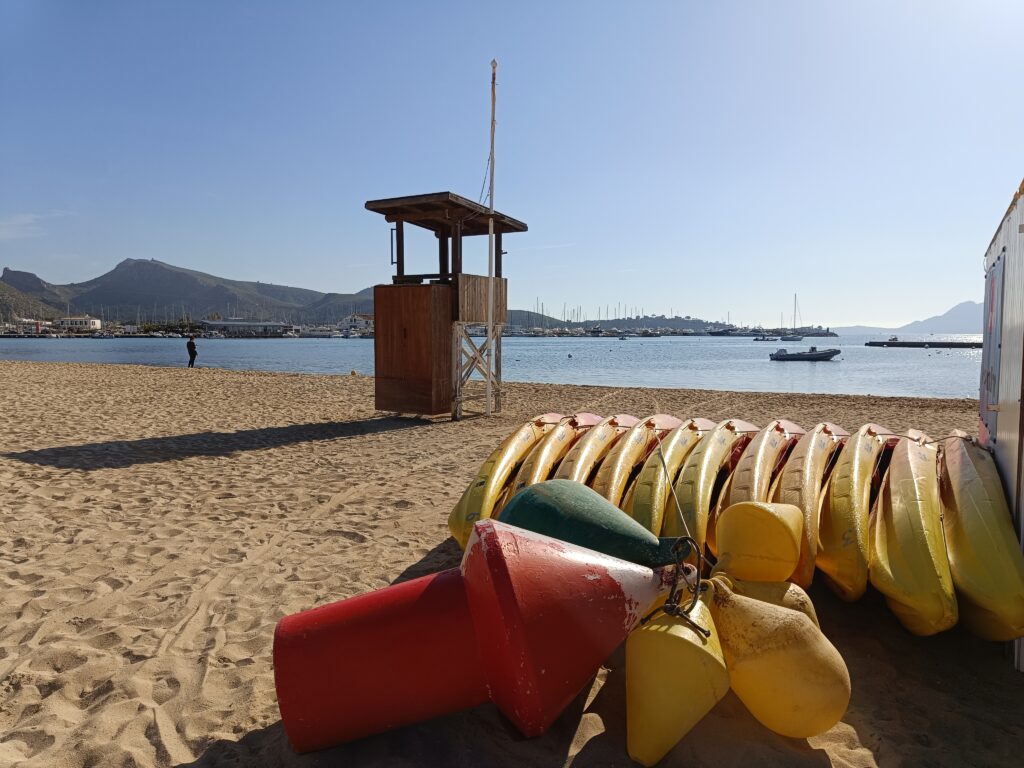
Europe’s island communities have built their economies around one precious resource: their pristine coastlines and crystal-clear waters. Tourism brings vitality and prosperity, but it also brings an uncomfortable truth—the very guests who come to enjoy these beautiful environments are inadvertently contributing to their degradation through waste and pollution.
It’s a paradox that threatens the golden goose. How can islands continue to offer the clean, beautiful experiences tourists expect when tourism itself generates massive amounts of waste? The Marine-ZWB project, led by Mission Zero Academy and Rezero with funding from BeMed, has been investigating this challenge—and uncovered a surprising insight about why solving it isn’t just about good intentions.
When good intentions meet bad systems
Through detailed assessments conducted as part of the Marine-ZWB project, we’ve discovered something encouraging: many companies in the maritime sector genuinely want to do the right thing. Take Port Adriano and Robinson Boats, two organizations we examined closely. Both are committed to reducing their environmental impact. Both understand that waste management is crucial to preserving the environments they depend on.
But here’s where it gets interesting—and frustrating.
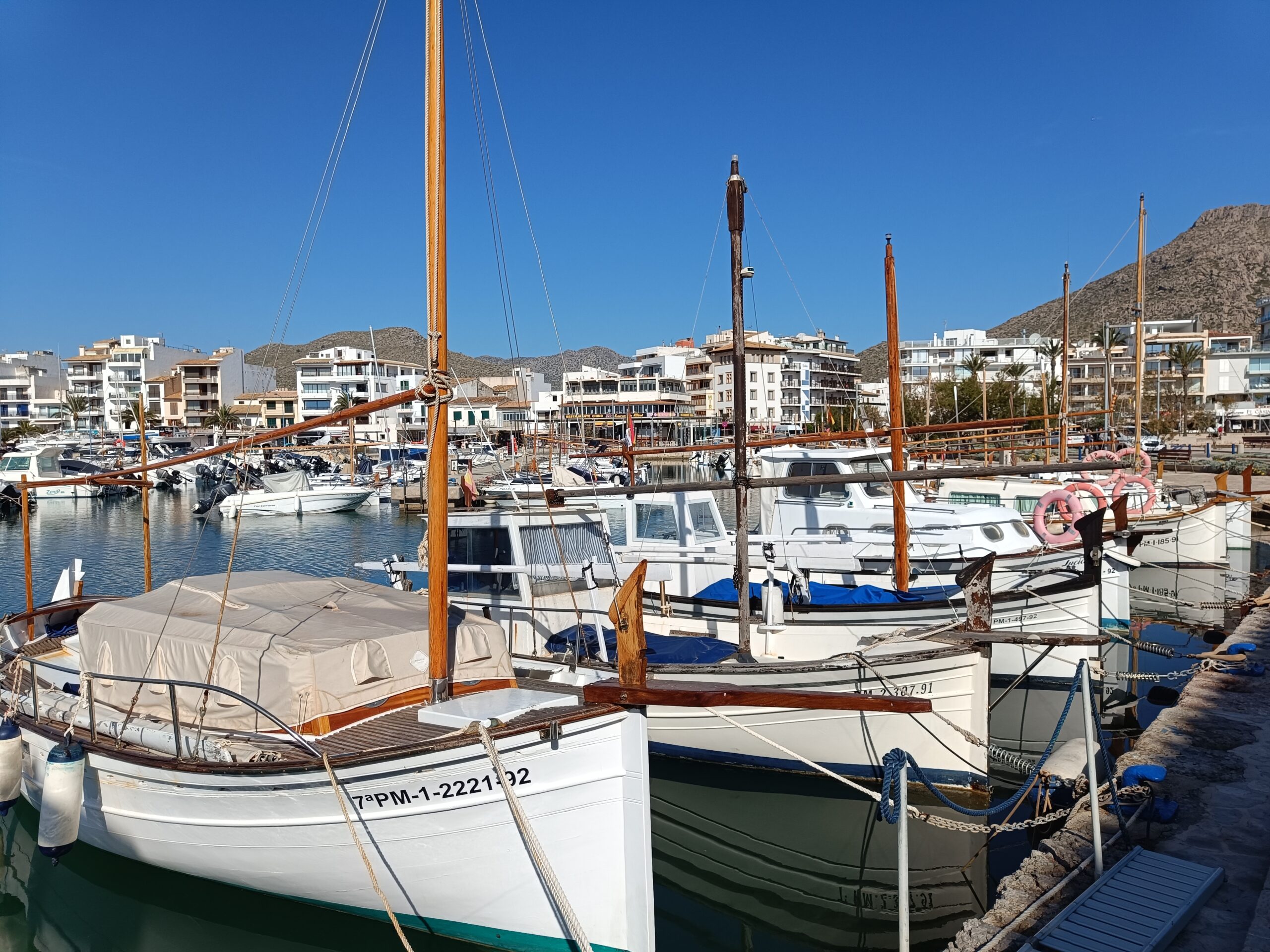
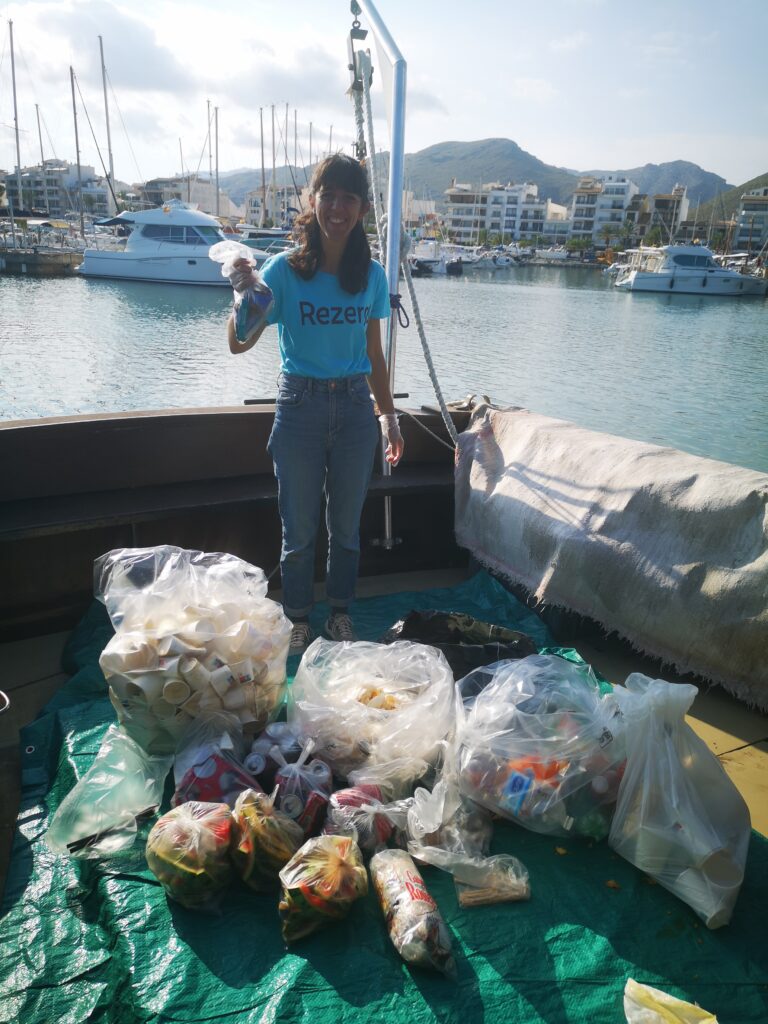
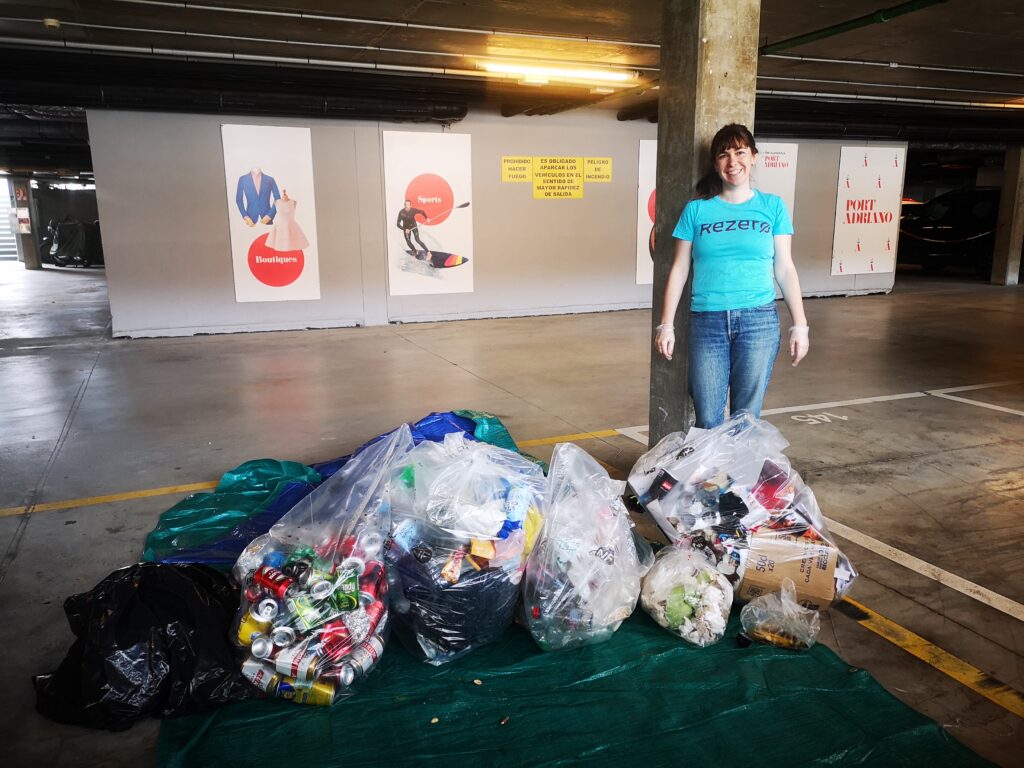
Port Adriano has invested in an excellent waste management system with infrastructure to capture different waste streams. They’ve done their homework and set up the facilities needed for proper recycling as well as several initiatives to prevent waste, such as reusable cups for events and a reuse point for products. Yet despite these efforts, only about 30% of their waste actually makes it to recycling. Why? Because the boats and other port users simply aren’t paying attention to proper waste sorting. The infrastructure sits there, ready and waiting, but without participation from the marina’s users, its potential remains largely untapped.
Now flip the script. Robinson Boats, a charter company, is in the opposite situation. Their crew members are trained and motivated—they could easily sort 90% of their waste correctly. But when they dock at ports, they face a frustrating reality: there’s no sorting infrastructure available. All their careful separation efforts would be for nothing when everything ends up as mixed waste anyway. They do go the extra mile and wash their plates and cutlery onboard as well as have other waste prevention measures which has a big waste impact, especially in this situation where recycling is not even an option.
The Missing Link: Collaboration
This is what we call the marina paradox. You have marinas with infrastructure but no participation, and boats with participation but no infrastructure. Each is doing their part, but working in isolation, neither can achieve meaningful change.
The solution seems obvious once you see the problem clearly: these two pieces need to come together. Port Adriano’s facilities combined with Robinson Boats’ willingness to do things properly would create a system that actually works. Together, they could achieve real waste reduction and high quality and quantity of recycling. Separately, both are spinning their wheels.
But recognizing the solution and implementing it are two different things. The challenge now becomes: How do we actually get boats and marinas to collaborate effectively toward zero waste?
Breaking down the barriers
Creating this collaboration requires more than just good will—it needs structural changes:
Communication channels need to be established so marinas can clearly communicate their waste sorting systems and ways to reduce waste to visiting boats, and boats need easy ways to understand and comply with different ports’ requirements. The same rules must also apply to other, more permanent marina users, such as restaurants, maintenance service providers and retail.
Incentive structures matter too. Right now, there’s often no reward for boats that sort carefully or penalty for those that don’t. What if marinas offered reduced docking fees for vessels that demonstrate proper waste management – and more importantly, waste prevention? What if charter companies highlighted their environmental practices as a competitive advantage? Can municipalities or regional authorities push the marinas to provide good enough infrastructure?
Standardization across ports would make compliance easier. When every marina has different systems and requirements, it’s difficult for boats—especially those visiting multiple ports—to keep track and follow best practices consistently.
Education and engagement are crucial. Many boat users may not realize the impact of their waste habits or understand how waste prevention and proper sorting helps the entire maritime community maintain the clean environments everyone values.
The Path Forward
The Marine-ZWB project has illuminated a fundamental truth: environmental progress in the maritime tourism sector isn’t a solo sport. Individual companies can have the best intentions and make significant investments, but real change only happens when the entire ecosystem works together. It means expanding the circle of responsibility – from port operators to every stakeholder operating within a marina. By holding each other accountable while also collaborating, zero waste can become a shared value and culture instead of just a policy implemented by a few.
For Europe’s islands, this collaboration isn’t just about environmental responsibility—it’s about economic survival. Clean beaches and clear waters are their competitive advantage in the tourism market. By bringing boats and marinas together around shared waste management goals, these communities can protect the very assets that make them special.
The infrastructure exists in some places. The willingness exists in others. Now it’s time to bridge that gap and create systems where doing the right thing is also the easiest thing and brings credibility and visibility to the operator going above the bare minimum. Consequently, one of the main outputs of the Marine-ZWB project is to create a certification module for the maritime sector to complement the existing generic modules. It will make visible and approachable the journey to great performance and lay out the steps to not only acceptable level but to a stellar one, too. By certifying their efforts, the participating businesses can communicate to their customers and other stakeholders that their operations are not contributing to the waste problem on the islands
Because at the end of the day, everyone in this ecosystem—from marina operators to boat owners to the islands themselves—shares the same goal: preserving these beautiful environments for generations to come.
The question isn’t whether we need to act. The question is: are we ready to act together?
The Marine-ZWB project is implemented by Mission Zero Academy and Rezero, with funding from BeMed, working to create zero-waste solutions for maritime tourism in Europe.