What does it take to turn a geographical challenge into a sustainability triumph?
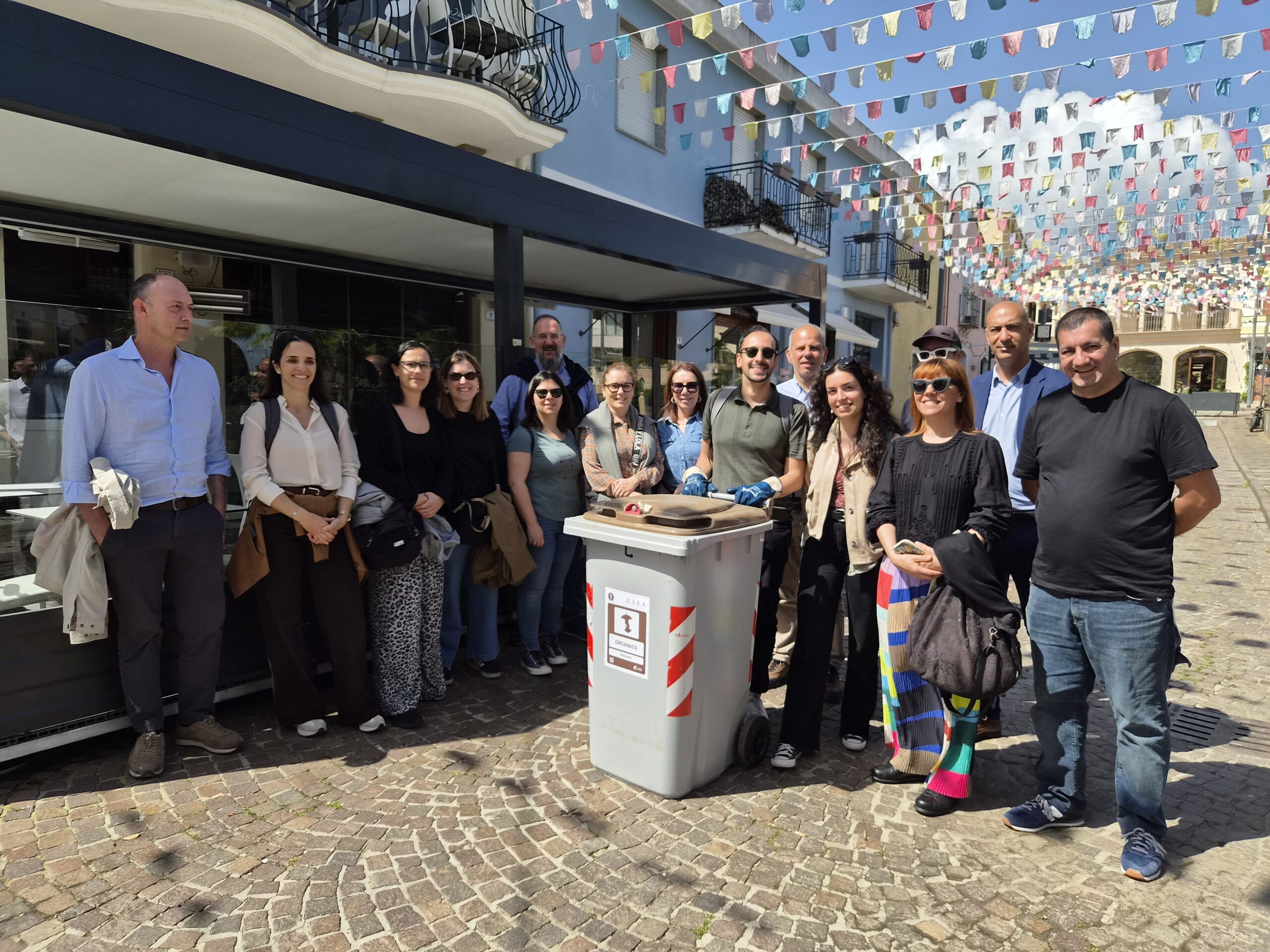
From April 15 to 17, the Mission Zero Academy (MiZA) team was joined by 17 representatives from different European municipalities for a deep dive into the waste management systems of Sardinia. Once a laggard in environmental metrics, this Mediterranean island has transformed into a global beacon of hope, proving that with the right mix of policy, technology, and community heart, zero waste is achievable anywhere.
From 6% to 76%: A Story of Political Will
Our journey began by looking at the numbers—and they are staggering. In 2003, Sardinia’s selective collection rate was a mere 6%. Today, it stands at 76.6%.
How did they do it? Through a powerful “carrot and stick” regional strategy. The island utilizes a reward-and-penalty system where municipalities that exceed recycling targets receive financial bonuses, while those that lag behind effectively fund the winners through surcharges. By making landfill disposal nearly twice as expensive as organic treatment, Sardinia has made the circular economy the only logical financial choice for local mayors.
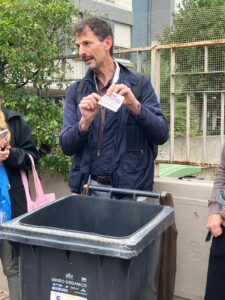
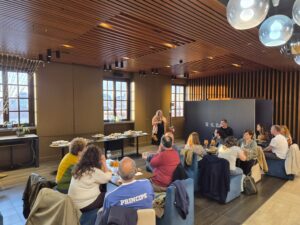
Day 1: Scaling Solutions from Villages to Cities
Our cohort first visited Pula, a coastal town that swells with tourists every summer. We were welcomed by the Mayor, who showcased how they maintain a 78% collection rate even under intense seasonal pressure. The highlight was their mobile eco-centres—controlled by resident and tourist cards—which ensure that even short-term visitors are integrated into the zero-waste loop.
In the afternoon, we scaled up to Cagliari. Managing waste for 150,000 inhabitants is no small feat, but the city’s transition to a door-to-door system has been a masterclass in logistics. We learned about their “Clean Up Days” and the rigorous awareness campaigns that keep the community engaged. A visit to the Cagliari Reuse Centre—which facilitates over 30 visits a day and houses 4,000 items—showed us that the best way to manage waste is to prevent it from becoming waste in the first place.
Day 2: Closing the Organic Loop
The second day focused on the “engine room” of the circular economy. In the urban residential areas of Cagliari, our 17 participants explored the logistics of Pay-As-You-Throw (PAYT) systems, which incentivize residents to separate waste at the source to save on fees.
We then headed to the Verde Vita composting facility in Carbonia. This B Corp-certified plant is a vital link in the chain, processing 20,000 tonnes of bio-waste annually to produce high-quality compost for the island’s soil. What struck our group most was the social component: the facility and its collection partners prioritize social cooperatives, ensuring that the green transition provides meaningful employment and social inclusion for the local community.
Why the Study Tour Matters
The 17 municipal representatives left Sardinia with more than just notes; they left with a blueprint. They saw that the “Sardinian Model” isn’t just about bins and trucks—it’s about an ecosystem of actors (public, private, and civic) working in total coordination.
Sardinia’s success is a reminder that being an island—or a small municipality, or a dense city—is not an excuse. It is an opportunity to innovate.
Join Our Next Journey
Are you ready to transform your municipality’s waste strategy? Nothing compares to seeing these systems in action and speaking directly with the pioneers who built them.Is your city ready for a Zero Waste transformation? Contact us today to express interest in our upcoming study tours or to organize a bespoke visit for your municipal team.